
Most homeowners in do not realize how much a railing system affects the overall appearance of a home until they see what a change actually looks like. Our premium glass fence team, has worked with enough homeowners to know that reaction is nearly universal. A standard aluminum or wood railing closes off a deck or balcony. A frameless glass railing opens it back up.
We install glass railing systems for balconies, staircases, decks, and retaining walls throughout the broader DFW area. Every installation uses 1/2-inch tempered and polished glass with top-grade stainless steel hardware, the same material standard we apply across every service we offer.
What Glass Railings Actually Change About a Home’s Appearance
Wood and aluminum railings are functional, but they break up sightlines. A back deck becomes a divided space. A balcony feels enclosed rather than open. A staircase feels heavy.
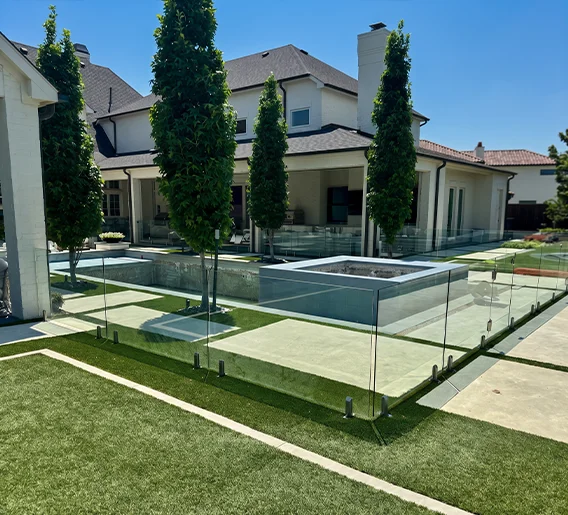
Glass railings remove that visual weight. The structure is still there. The panels are anchored, load-bearing, and code-compliant. But the barrier disappears visually. The view off the deck stays intact, the staircase feels open, and the balcony reads as part of the room rather than a box bolted to the side of the house.
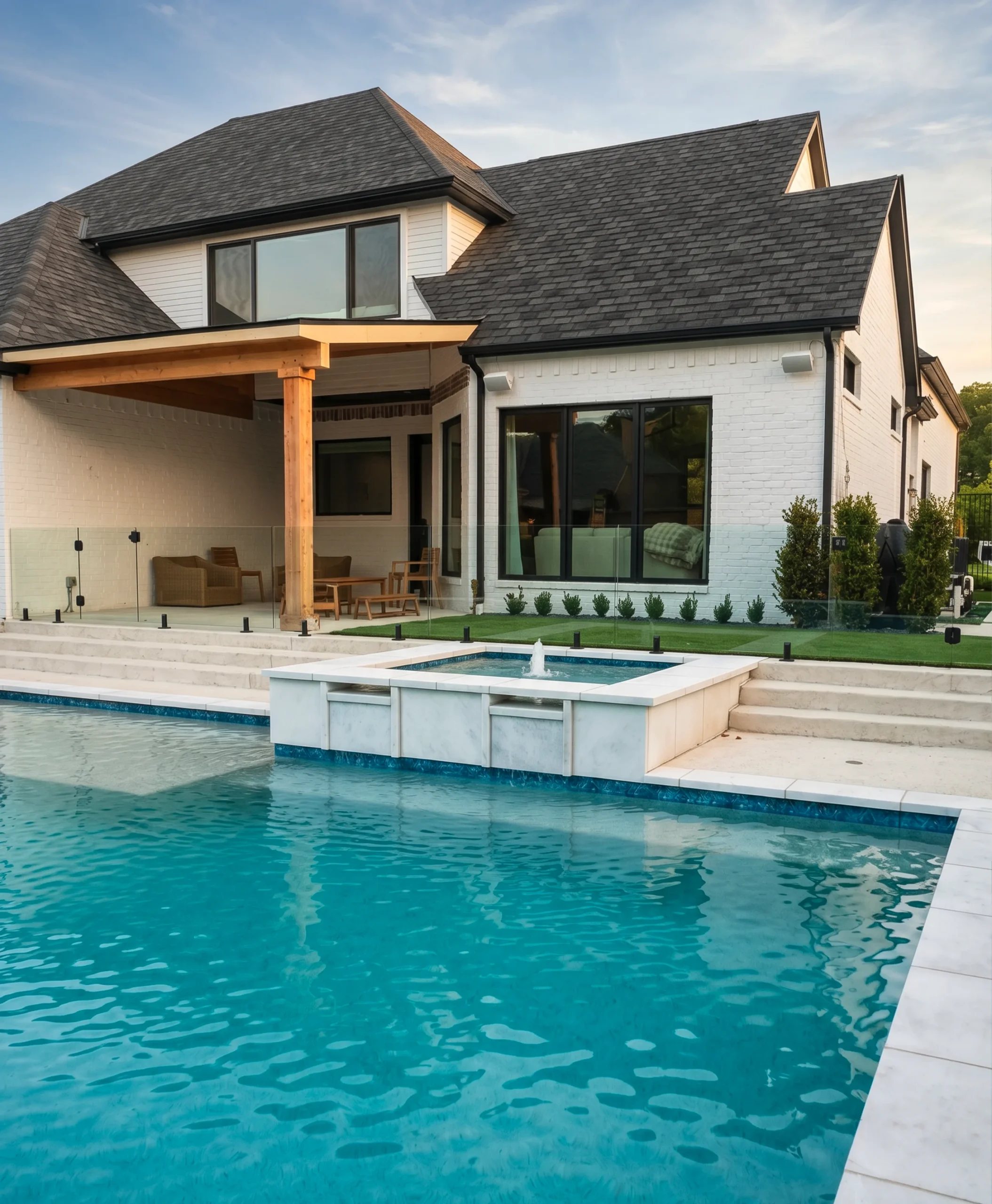
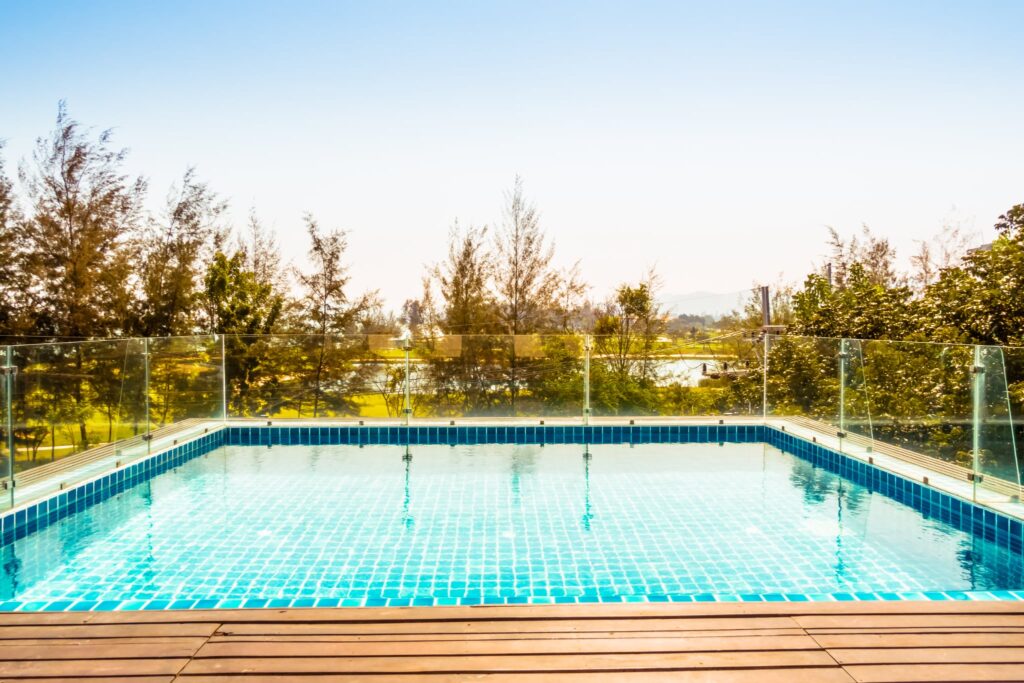
For homes with a yard view, a pool, or any meaningful sightline, that difference is visible in listing photos and in person.
Where Glass Railing Systems Work in a Home
Glass railings work in every application where a traditional railing would be used.
Decks and patios. A frameless glass railing along the perimeter of an elevated deck keeps the view clear while meeting the height requirements for your deck’s elevation above grade.
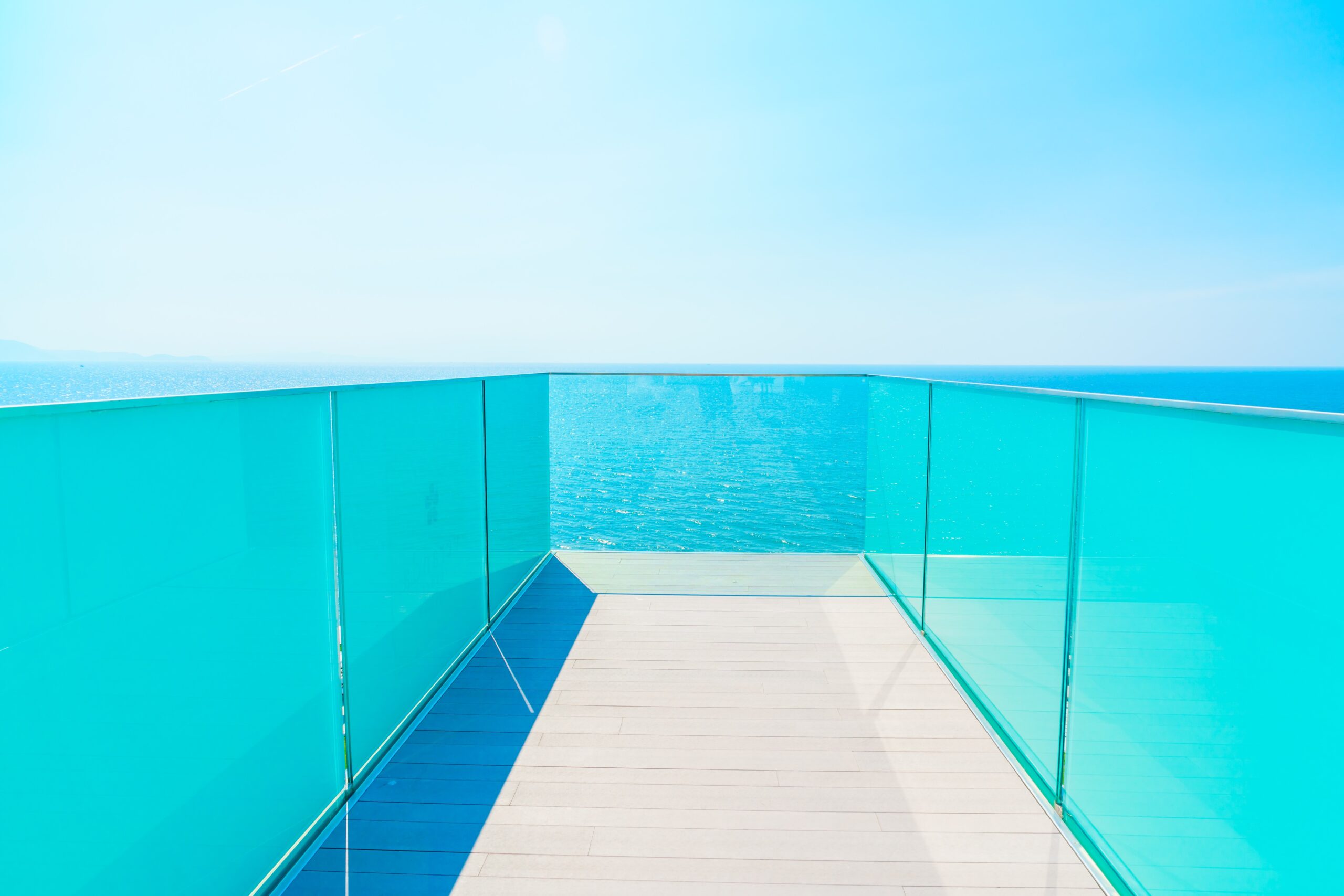
Balconies. Second-story balconies benefit significantly from glass railings. The visual connection between inside and outside is maintained without any horizontal rails blocking it.
Staircases. Interior and exterior staircases both work with frameless glass panels. The result is cleaner and lighter than wood balusters or metal spindles.
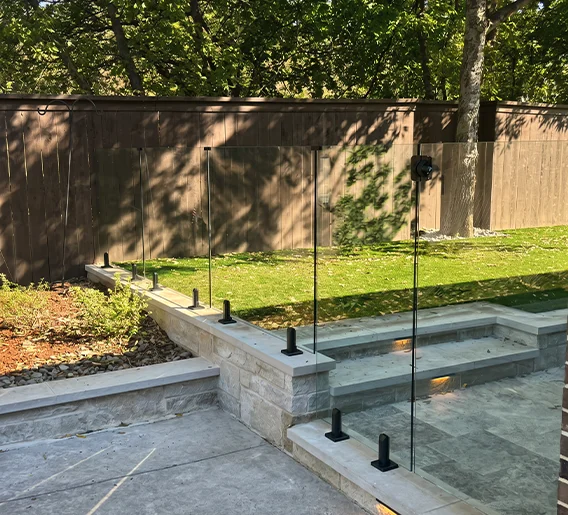
Retaining walls. Properties with grade changes often use glass railings at the top of retaining walls to define the edge without closing off the view.
The Material Standard We Use on Every Installation
We use 1/2-inch tempered and polished glass on every railing installation. The standard industry default is 3/8-inch. The thicker spec provides greater impact resistance and structural stability under lateral load, which matters for a railing that people lean against regularly.
All panels are polished on every edge. Hardware is top-grade stainless steel, selected for corrosion resistance against strong weather and outdoor exposure. On a property with a pool nearby, that stainless hardware holds up to chemical exposure without corroding or requiring regular treatment.
Code Compliance for Deck and Balcony Railings
Building codes for deck and balcony railings differ from pool fence codes. The general standard requires a minimum railing height of 36 inches for decks under 30 inches off the ground and 42 inches for elevated surfaces above that threshold. Load-bearing requirements also apply, and railings must withstand a minimum horizontal force per linear foot.
We verify the applicable code for your specific project address and structure before installation begins. Posts and panels are anchored to meet or exceed those load requirements. A quality control inspection confirms everything is correct before we hand off the project.
What the Installation Process Looks Like
Every railing project starts with a site assessment. We evaluate the deck or balcony surface, measure the run, identify the appropriate mounting method, and discuss your design preference.
Panels are custom-cut to the exact dimensions of your railing run. No standard-size panels are forced to fit a space they were not sized for. Once hardware is set and confirmed for alignment, panels are placed, secured, and inspected before the job is complete.
Most residential railing installations are completed in a single day.
Warranty and Insurance on Every Railing Job
Every glass railing installation we complete is backed by a 1-year workmanship warranty and a 2-year product warranty on materials. Service calls are available after both warranty periods for adjustments, hardware inspection, or panel replacement. We carry general liability insurance and workers’ compensation coverage, both meeting Texas requirements. Proof of insurance is available before any work begins. If you are also considering a glass pool fence for your property, we can assess both applications during the same site visit.
Related Topics:
- Glass vs. Iron Fence: What DFW Homeowners Need to Know Before Choosing
- Pool Code Requirements Texas: What DFW Homeowners Need to Know