

Not every backyard in DFW comes with a lot of room to work with. Newer construction in the area frequently features well-designed pools in compact outdoor spaces, and the fencing choice has an outsized effect on how that space actually looks and feels day to day. Stylish glass fence solutions do something that wood, iron, and other solid materials simply can’t: they preserve the sense of openness rather than cutting the yard into sections. The practical difference goes further than aesthetics, and it’s worth understanding before you commit to a material.
Why Fencing Choice Matters More in Smaller Yards
In a large backyard, a fence is a boundary. In a small yard, it functions more like a wall. The visual weight of solid or bar-style fencing in a compact space makes the entire outdoor area feel more enclosed than it actually is, including when you’re looking out from inside the house.
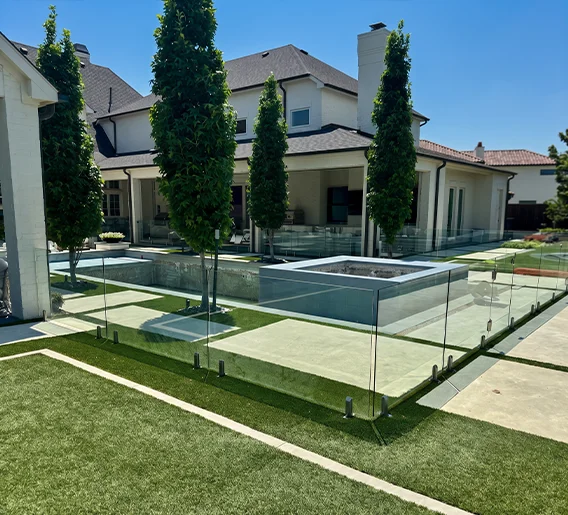
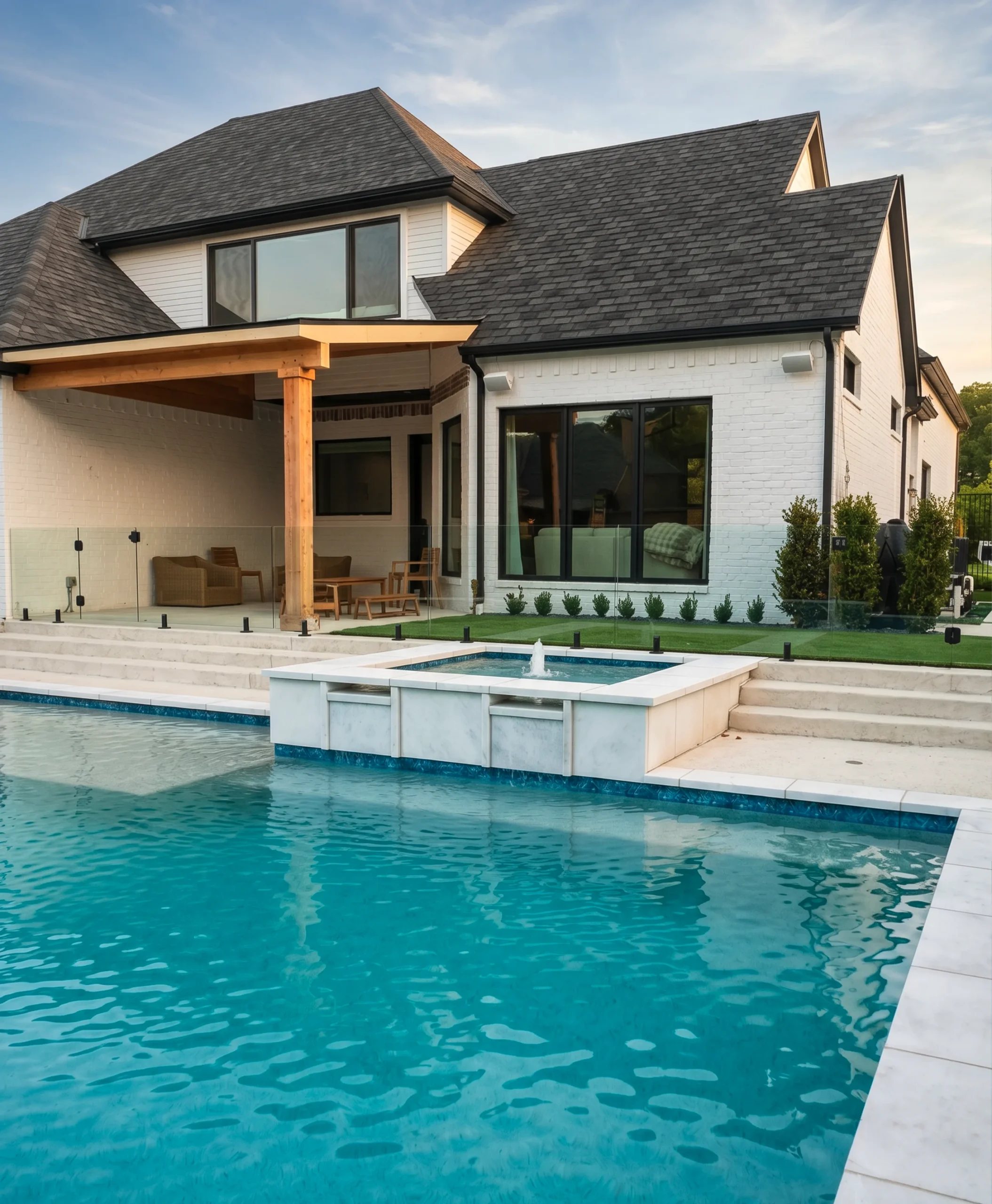
Glass pool fencing removes that visual weight. The pool remains visible from the back of the house, the yard reads as a single, connected space rather than a fenced-off zone, and natural light flows through the area without obstruction.
For families with young children, that open sightline is also a genuine safety advantage. Being able to see the pool clearly from your kitchen or living room is a supervision benefit that neither iron nor wood fencing can provide.
How Frameless Glass Fencing Makes Small Spaces Feel Larger
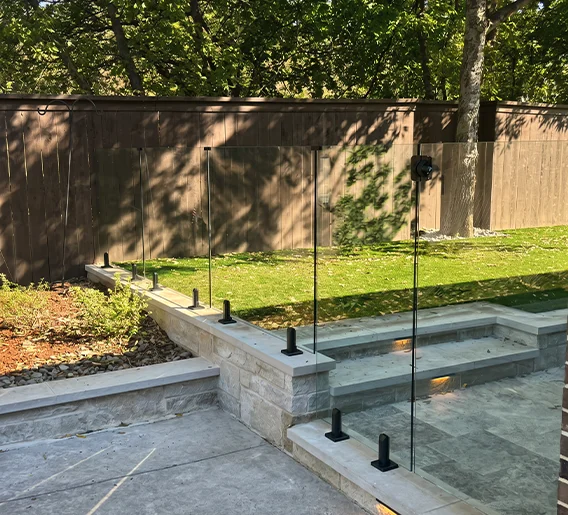
Frameless glass pool fencing uses stainless steel spigots anchored into the concrete deck at the base of each panel. There are no posts, no top rail at eye level, and no frame interrupting the glass surface. The fence functions as a barrier, but visually, the yard reads as open space.
In a compact DFW backyard, that effect is real. Homeowners who replace iron or wood with frameless glass consistently describe the space as feeling noticeably larger after installation, not because anything changed in size, but because the visual boundary essentially disappeared.
Semi-frameless systems produce a similar result. The slimline stainless posts are low-profile enough that the dominant impression is still glass rather than hardware, which preserves most of the open visual effect.
Design Angles That Work Well in Compact Pool Areas
In smaller pool spaces, fence line layout and gate placement carry more weight than they do in a larger yard. A gate positioned on the side of the pool nearest the house keeps the primary viewing angle completely clear. On frameless systems, gates use matching glass panels and heavy-duty stainless hinges, so they blend into the fence line rather than reading as a visible break in it.
If the pool deck has any depth around the perimeter, even 18 to 24 inches, positioning the fence line at the outer edge of the deck rather than close to the coping gives the pool more visual room and makes the space feel less crowded.
In small yards, the fence often has to handle corners on a tight footprint. Both frameless and semi-frameless systems manage 90-degree corners cleanly using corner spigot hardware or corner posts, and the transition doesn’t interrupt the open visual effect.
Glass Railings in Small Outdoor Spaces
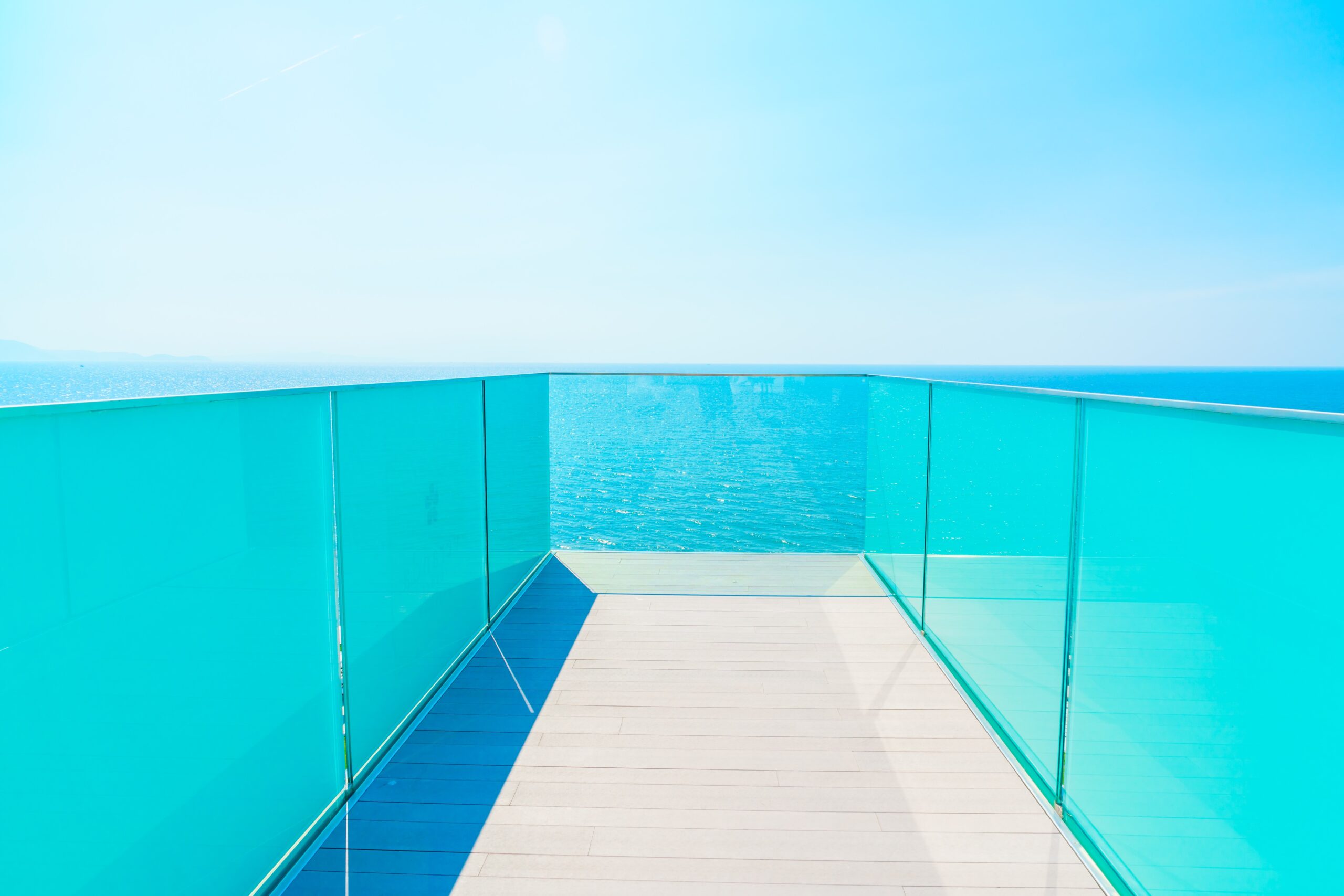
If your backyard also includes an elevated deck, balcony, or staircase connected to the pool area, glass railing systems extend the same open visual effect upward. A glass railing on a deck above the pool keeps the sightline from above to the pool unobstructed, which matters for supervision as much as it does for the overall feel of the space.
Glass railing installations for decks, balconies, and staircases across the DFW area use the same 1/2″ tempered and polished safety glass and marine-grade hardware that applies to every pool fence project.
If continuity between the pool area and an elevated deck is part of the goal, it’s worth discussing both in the same estimate conversation rather than treating them as separate jobs.
What to Ask During Your Estimate for a Small Pool Space
When walking a compact pool area for an estimate, a few specific questions are worth working through before any layout decisions are made.
How much concrete deck surrounds the pool perimeter, and where does the fence line make the most sense, given how the yard is actually used? Is there a primary viewing angle from inside the house that the layout should account for? Is there an elevated deck or balcony where a matching glass railing would complete the visual connection?
Are there any grade changes or surface variations around the pool perimeter that would affect whether frameless spigot mounting or a semi-frameless post system is the better fit for the installation? A site visit answers all of these questions before any commitment is made, and it’s the only reliable way to give a fence line recommendation that actually fits the space.
Related Topics: